
A successful kitchen renovation depends heavily on proper plumbing design and installation. Many homeowners focus on cabinetry, countertops, and appliances while overlooking the importance of professional kitchen plumbing. Plumbing systems are the foundation of a functional kitchen, supporting sinks, dishwashers, refrigerators, garbage disposals, and water filtration systems. Mistakes during installation can lead to leaks, poor drainage, mold growth, and expensive structural damage.
Kitchen plumbing involves far more than connecting pipes. Water pressure, drainage slope, venting systems, and code compliance all affect long-term performance. Poor planning or incorrect installation methods often create hidden problems that become costly repairs later. Understanding the most common plumbing mistakes helps homeowners avoid major remodeling setbacks.
Why Kitchen Plumbing Is So Important
Plumbing systems directly affect the efficiency, safety, and functionality of a kitchen. Properly installed plumbing ensures reliable water flow, effective drainage, and long-term durability.
Professional kitchen plumbing installation also protects surrounding cabinetry, flooring, and wall structures from water damage. Even small leaks hidden beneath sinks or inside walls can cause serious structural deterioration over time.
Benefits of Proper Plumbing Installation:
- Reliable water flow and drainage
- Reduced risk of leaks and mold growth
- Improved appliance performance
- Long-term durability and efficiency
- Compliance with local plumbing codes
Investing in professional plumbing work early helps homeowners avoid expensive future repairs and maintenance issues.
Mistake #1: Poor Sink Placement Planning
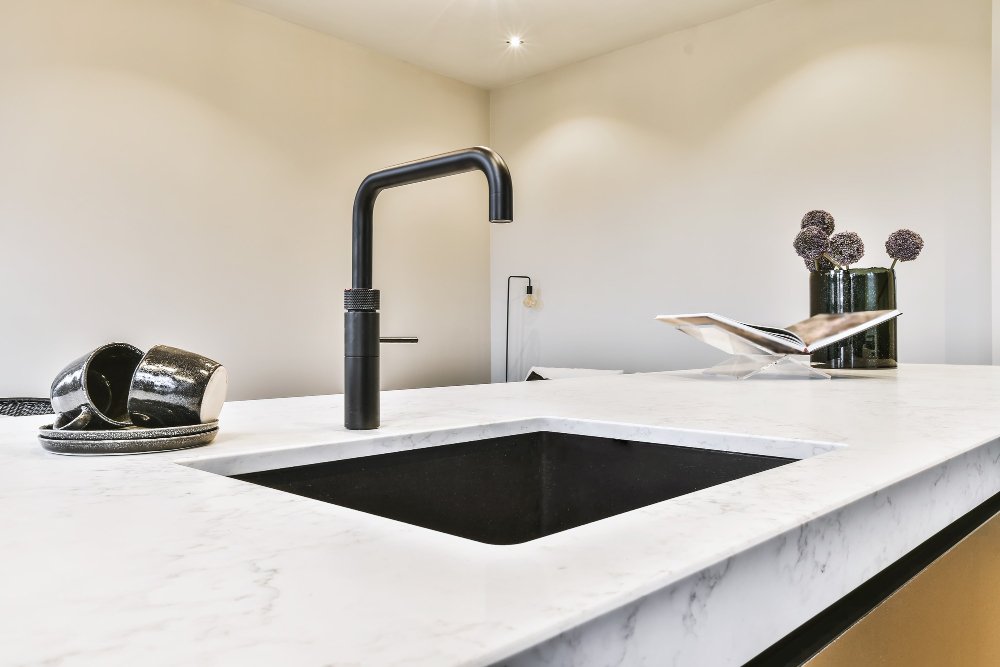
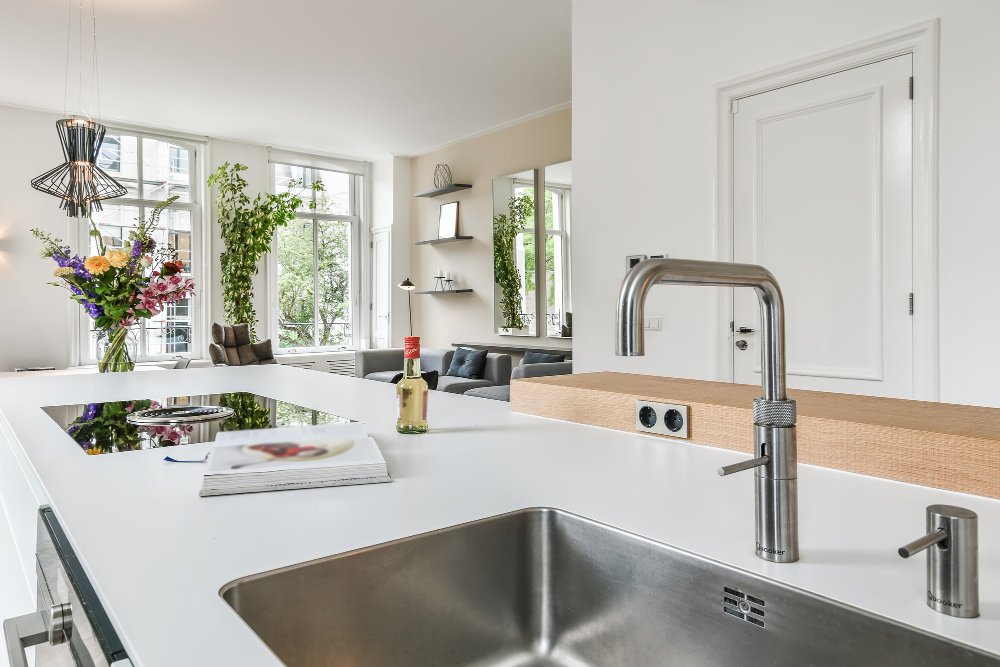
Sink placement significantly affects kitchen workflow and plumbing complexity. Homeowners sometimes relocate sinks without considering existing plumbing infrastructure, resulting in costly rerouting and inefficient drainage systems.
Working with professionals experienced in kitchen pipe installation helps homeowners determine practical sink locations while minimizing unnecessary plumbing modifications.
Important Sink Planning Factors:
- Distance from existing plumbing lines
- Relationship to appliances and prep areas
- Drainage slope requirements
- Ventilation and code compliance
Proper sink placement improves kitchen functionality while reducing installation complexity.
Mistake #2: Incorrect Pipe Sizing
Improper pipe sizing can affect water pressure and drainage performance throughout the kitchen. Pipes that are too small restrict water flow, while oversized systems may create drainage inefficiencies.
Professional plumbers calculate pipe sizes based on appliance demands, fixture counts, and water pressure requirements to ensure balanced system performance.
Mistake #3: Ignoring Ventilation Requirements
Plumbing vents regulate air pressure within drainage systems and help wastewater flow properly. Poor venting can lead to slow drainage, unpleasant odors, and noisy pipes.
Ventilation systems must comply with local plumbing codes and be integrated correctly into the home’s existing infrastructure. Experienced plumbers ensure venting systems operate efficiently while maintaining proper airflow.
Mistake #4: Improper Water Line Installation
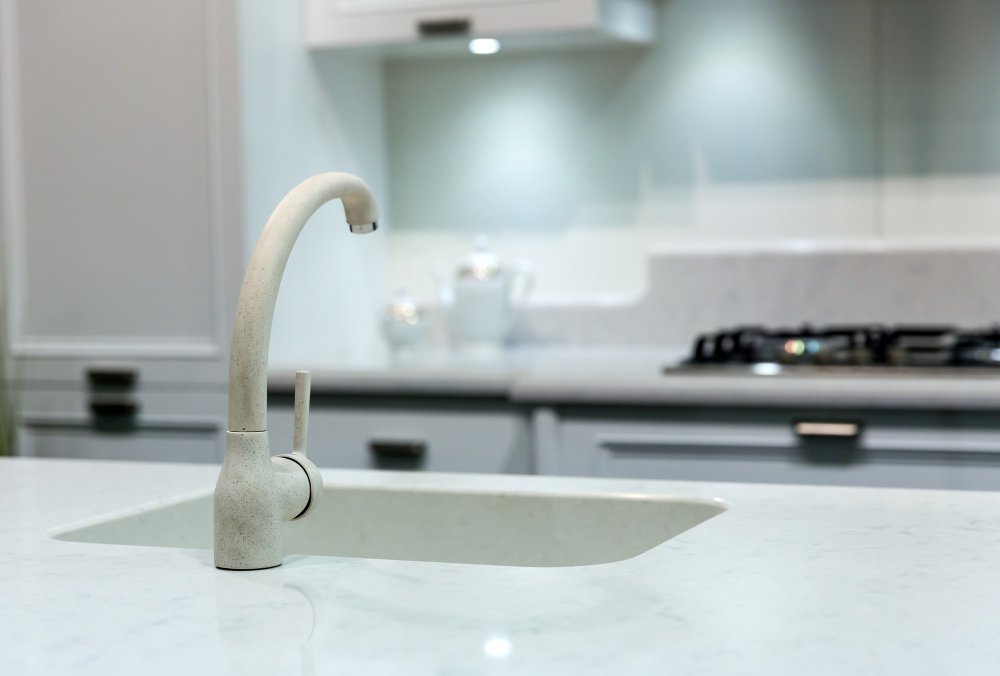
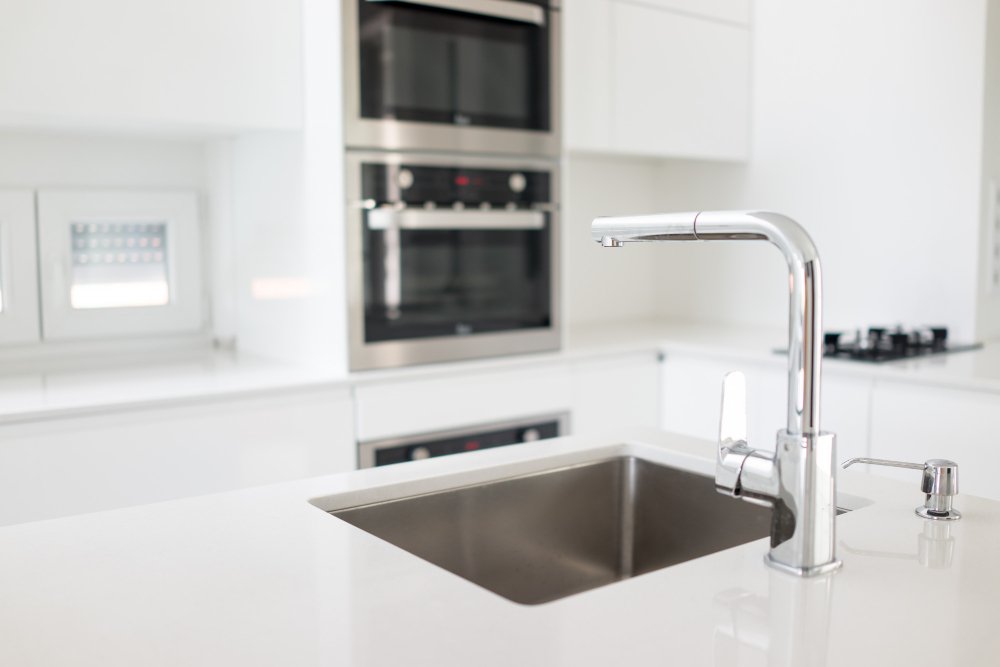
Kitchens rely on multiple water supply lines for sinks, refrigerators, dishwashers, and filtration systems. Incorrect installation methods can cause leaks, pressure inconsistencies, and water damage behind walls or beneath flooring.
Professional kitchen plumbing contractors use high-quality fittings, secure connections, and proper pressure testing to ensure long-term reliability.
Common Water Line Issues Include:
- Loose fittings and leaking joints
- Improper pipe support
- Incorrect material selection
- Insufficient water pressure balancing
Reliable water line installation is essential for preventing hidden moisture damage.
Mistake #5: Failing to Plan for Appliance Integration
Modern kitchens often include dishwashers, refrigerators with water dispensers, pot fillers, and filtration systems that require dedicated plumbing connections. Failing to account for these appliances early can create installation complications later.
Contractors coordinate plumbing layouts with appliance specifications to ensure proper spacing, access, and functionality.
Mistake #6: Choosing Low-Quality Materials
Using inexpensive plumbing materials may reduce initial costs but often leads to leaks, corrosion, and premature system failures. Durable materials improve plumbing lifespan and reduce long-term maintenance expenses.
Professional plumbers recommend materials that balance reliability, performance, and compatibility with existing plumbing systems.
Don’t wait!
Contact us now to schedule your consultation and discover how we can transform your kitchen into the heart of your home!
The Importance of Code Compliance
Plumbing installations must comply with local building codes to ensure safety and functionality. Improper plumbing work can result in failed inspections, fines, or expensive rework during future home sales.
Licensed professionals understand permit requirements and ensure plumbing systems meet all applicable regulations.
How Professional Planning Improves Kitchen Remodeling
Successful kitchen renovations require close coordination between plumbing, cabinetry, electrical systems, and flooring installation. Professional contractors manage these systems together to avoid conflicts and improve project efficiency.
Proper planning also helps homeowners anticipate future needs such as upgraded appliances or additional water filtration systems.
Preventing Water Damage and Structural Issues
Water damage is one of the most expensive and disruptive problems homeowners face after remodeling projects. Even small plumbing leaks can damage cabinetry, flooring, insulation, and drywall over time.
Consulting with an experienced kitchen water line installation specialist helps homeowners protect their remodeling investment while ensuring long-term plumbing reliability.
Final Thoughts on Kitchen Plumbing
Professional kitchen plumbing installation is essential for creating a functional, efficient, and durable kitchen. From pipe sizing and drainage to appliance integration and water line installation, every detail affects long-term performance and safety.
By avoiding common plumbing mistakes and working with experienced professionals, homeowners can ensure their kitchen remodel operates smoothly while protecting the home from costly water-related issues for years to come.